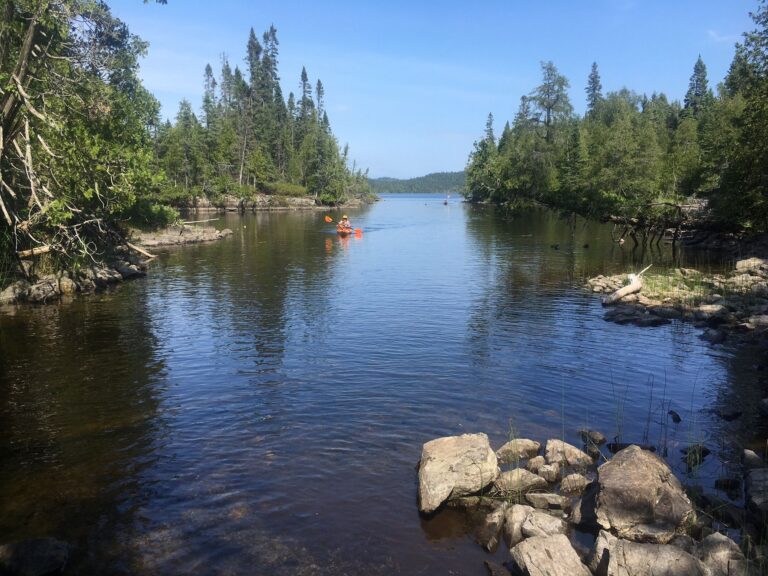
Grundy Lake and its surrounding lakes are rich in fish populations. The most common species anglers can expect to catch include:
- Largemouth Bass: These are a popular target for anglers, especially during the warmer months. Largemouth bass are often found near submerged structures, such as fallen trees or rocky outcrops, and can be caught using a variety of lures or live bait.
- Smallmouth Bass: Known for their aggressive nature and strong fight, smallmouth bass are often found in deeper, cooler waters around rocky shorelines. They’re an exciting catch for both experienced and novice anglers.
- Northern Pike: Known for their size and strength, northern pike are an exciting species to target, especially for those looking for a challenging catch. They are typically found in weedy areas and near the mouths of rivers or streams feeding into the lakes.
- Walleye: Grundy Lake has a good population of walleye, which are often found in deeper, cooler waters. Walleye are known for their nocturnal feeding habits, so fishing for them is often best during the early morning or evening.
- Yellow Perch: These smaller fish are abundant in Grundy Lake’s waters, providing plenty of action for anglers looking to catch a fish to eat or for young anglers getting into the sport.
- Rainbow Trout: In certain areas of the park, rainbow trout can also be found, especially in deeper, cooler parts of the lakes. They are a sought-after species for those looking for a challenging yet rewarding catch.
Best Times to Fish
Fishing at Grundy Lake Provincial Park can be good year-round, although the best times depend on the species you’re targeting. In general:
- Spring (April to June): Spring is a great time for catching bass, as they tend to spawn during this period. The waters are still cool, so pike and walleye are also active.
- Summer (July to September): Summer is ideal for fishing for bass and pike, as they are more active in warmer water. Early mornings and late evenings are especially productive for bass and walleye.
- Fall (October to November): Fall is another excellent time for fishing at Grundy Lake, particularly for walleye and pike. As the water cools, fish become more aggressive in preparation for the winter months.
- Winter (December to March): Grundy Lake freezes over in the winter, and ice fishing becomes a popular activity. Anglers can target walleye, perch, and pike through the ice. However, ice conditions can vary, so safety is always a priority.
Fishing Techniques
Grundy Lake offers a variety of fishing experiences, from shore fishing to canoe or kayak excursions. The following fishing techniques are commonly used in the park:
- Shore Fishing: If you don’t have a boat, there are plenty of accessible spots for shore fishing. Look for areas with rocky outcrops, submerged trees, or weed beds where fish are likely to congregate.
- Canoe/Kayak Fishing: Canoeing or kayaking on Grundy Lake is a great way to explore different fishing spots, especially in areas that are not easily accessible from the shore. This also allows anglers to explore the park’s more secluded coves and shorelines, which can be prime fishing areas.
- Trolling: Trolling is an effective method for catching species like pike, walleye, and trout. This technique involves dragging lures or bait behind a boat while moving slowly through the water.
- Casting: For bass and pike, casting with lures like spinners, jigs, or soft plastics can be highly effective. Work the lures near submerged rocks, weed beds, and drop-offs, as these are common habitats for these fish.
Fishing Regulations
Grundy Lake Provincial Park is subject to Ontario’s fishing regulations, so anglers are required to have a valid Ontario fishing license. It’s essential to familiarize yourself with local fishing rules, including:
- Catch limits: There are daily catch limits for each species, and certain species (like walleye) may have specific size limits.
- Seasons: Different species may have open and closed seasons, so it’s important to check the regulations before heading out.
- Bait restrictions: Live bait regulations may apply in some areas, so be sure to use only approved bait species.
Anglers can obtain a fishing license from authorized retailers or online through the Ontario Ministry of Natural Resources and Forestry.